











Hunyuan 3D 3.5 AI Image to 3D Generator

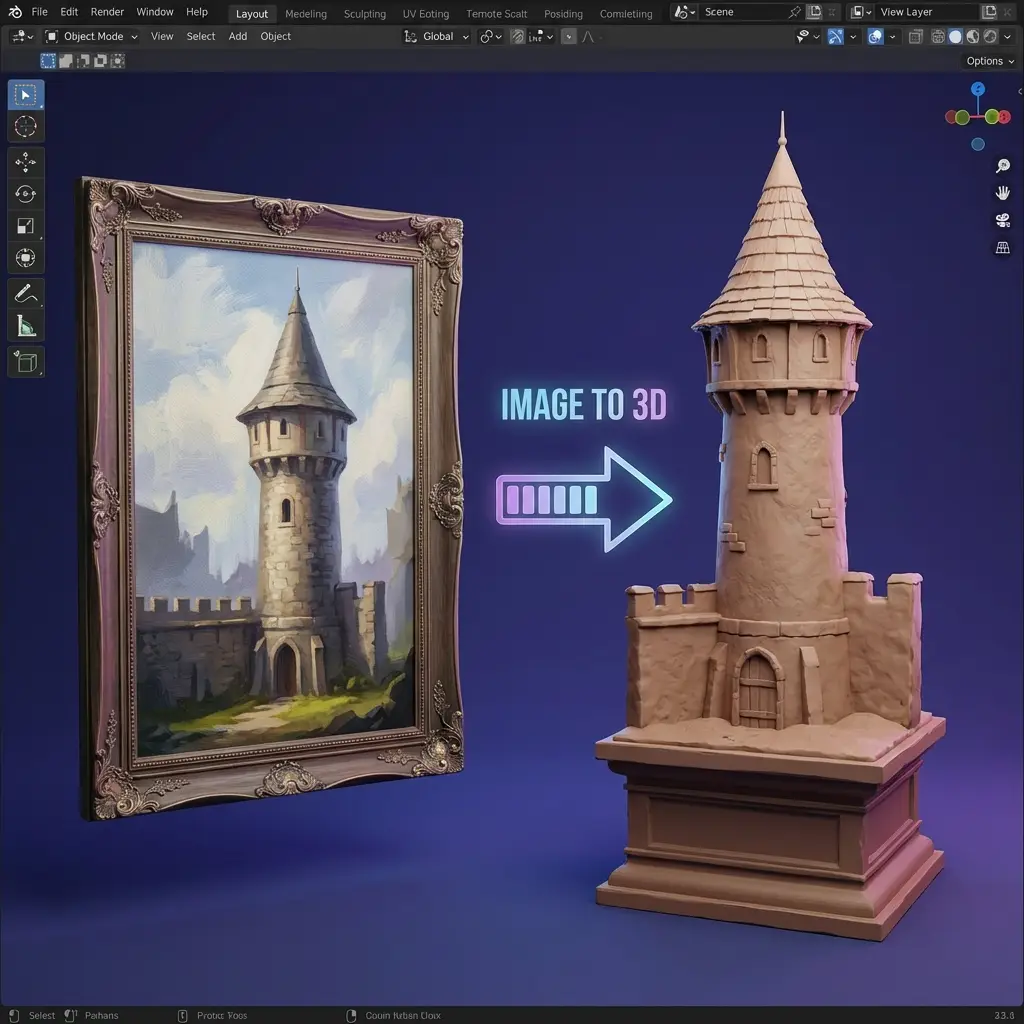
Explore Hunyuan 3D 3.5 ideas with Trellis 3's shared AI generator. Start from an image, compare 3D drafts, and use the available free no-login option without installing local software.

AS SEEN ON

Product Hunt
Reddit
Medium
YouTube

What Hunyuan 3D 3.5 Means for Image to 3D Workflows

Hunyuan 3D 3.5 is a useful search direction for creators comparing modern AI 3D generation. This page connects that research intent with a practical image to 3D workflow for drafting, reviewing, and exporting ideas.

Start Hunyuan Research with a Clear Reference

Start Hunyuan Research with a Clear Reference

A focused Hunyuan reference makes image to 3D easier to evaluate. Choose one object, keep the silhouette visible, use even lighting, and remove distracting background details. Hunyuan searches often emphasize detailed geometry, but input quality still controls what an AI generator can infer.

Use Hunyuan 3D 3.5 as a Workflow Topic

Use Hunyuan 3D 3.5 as a Workflow Topic

Creators researching Hunyuan 3D 3.5 usually want to understand how a picture can become a dimensional asset. Trellis 3 provides a shared AI 3D generator where that broader workflow can be explored without presenting the current generator as a dedicated 3.5 endpoint. Upload, generate, rotate, and review the draft while keeping version research separate from the tool that produces the preview.

Compare Shape Before Surface Detail

Compare Shape Before Surface Detail

Hunyuan image to 3D research should begin with silhouette, proportion, and major volume. Rotate the Hunyuan result and inspect the back, underside, thin parts, and contact points. A useful AI generator draft should preserve the identity of the reference before materials or lighting become the focus.

Move from Hunyuan Ideas to Editable Drafts

Move from Hunyuan Ideas to Editable Drafts

After exploring Hunyuan 3D 3.5 concepts, treat the generated result as a draft for checking scale, topology, texture placement, and export compatibility. Product designers can test presentation, game artists can block a prop, and educators can demonstrate image to 3D without beginning from an empty modeling scene.

Keep Hunyuan Version Research Accurate

Keep Hunyuan Version Research Accurate

Model names, hosted endpoints, and provider features can change independently. This page uses Hunyuan 3D 3.5 as the requested research phrase while the embedded module remains Trellis 3's existing shared generator. Review current source documentation before relying on a particular version, benchmark, license, texture resolution, or API field. The practical workflow here stays focused on choosing an input, generating a draft, and judging the output.

Practical Benefits

Hunyuan 3D 3.5 Search Intent, Applied to Real Creation

Turn Hunyuan research into concrete decisions about inputs, generation, review, and downstream editing instead of judging an AI 3D generator by a version label alone.

Image to 3D is the practical starting point when you already have a product photo, prop concept, toy sketch, accessory, or character reference. The Hunyuan image anchors silhouette and proportion while the AI generator estimates unseen surfaces. Hunyuan-oriented evaluation should ask whether the draft remains recognizable from several angles and whether its large forms are stable enough for editing.

Hunyuan Image to 3D for Recognizable Objects
Hunyuan AI 3D Generator for Fast Direction
Hunyuan Drafts for Review and Handoff
How to Use

How to Explore Hunyuan 3D 3.5 with the Shared Generator

Use a simple three-step Hunyuan workflow: prepare one strong input, generate a draft with the appropriate available option, and inspect the asset before export.

1

Step 1: Turn a Search Question into a Reference Image

Whatever prompted the Hunyuan 3D 3.5 search, translate it into one sharp photo of a single object before touching the generator. Keep the outline readable, light the surfaces evenly, and remove background clutter. If the back or underside actually matters for the decision, note that separately, since a flat picture cannot show it on its own.

Step 1: Turn a Search Question into a Reference Image
2

Step 2: Generate, Then Rotate Before Judging

Submit the reference through the shared AI generator and wait for a full result rather than reacting to the first frame. Turning the draft slowly reveals whether the front-to-back read holds up, where thin geometry survived, and whether the underside matches what a Hunyuan 3D 3.5 comparison would expect.

Step 2: Generate, Then Rotate Before Judging
3

Step 3: Carry the Result into Real Editing

Once the shape earns a second look, download it and open it in whatever tool actually runs your pipeline. A Hunyuan-style draft from this Hunyuan 3D 3.5 workflow commonly needs scale correction, retopology, UV work, or material adjustment next; keep the original reference and generation notes so a teammate can retrace the decision later.

Step 3: Carry the Result into Real Editing

Where a Hunyuan Image to 3D Workflow Can Help

Hunyuan 3D 3.5 research becomes more useful when the same Hunyuan 3D 3.5 workflow is connected to a concrete review or production question.

Turning Product Research into a Rotatable Draft
Product

Turning Product Research into a Rotatable Draft

A product reference run through this Hunyuan-inspired workflow gives a concrete shape to react to instead of a flat photo and a search term. Use it to flag proportion or surface problems early, then verify dimensions, branding, and material accuracy before anything reaches a commercial layout.

  • ✓Photo-anchored shape checks
  • ✓Early proportion flags
  • ✓Layout-ready comparisons
Explore More →
From a Search Term to a Blockout Prop
Games

From a Search Term to a Blockout Prop

A game team chasing Hunyuan-style results can point the same workflow at a prop reference to get a rough object into the scene fast. That answers whether the silhouette reads at the intended scale; retopology, UVs, collision, and texture budgets remain separate production steps.

  • ✓Rough props for scale tests
  • ✓Scene-fit read early
  • ✓Production pass still required
Explore More →
A Talking Point for Design Reviews
Design

A Talking Point for Design Reviews

Designers and educators exploring Hunyuan 3D 3.5 as a search phrase can turn a reference into something the room can react to, rather than debating the phrase abstractly. The draft supports critique of volume and balance; it stands in for neither engineering validation nor a finished CAD model.

  • ✓Concrete critique material
  • ✓Volume and balance checks
  • ✓Not a substitute for CAD
Explore More →
Testing an Idea Before the Shot Locks
VFX

Testing an Idea Before the Shot Locks

An artist researching Hunyuan 3D 3.5 can pull a rough form out of this workflow to see how an object idea reads in a lighting or composition test, well before committing production time. The result is a starting point for discussion; topology, close-up detail, rigging, and texture continuity remain the pipeline's job.

  • ✓Early composition tests
  • ✓Discussion-ready forms
  • ✓Pipeline handles the rest
Explore More →

How to Review a Hunyuan 3D 3.5 Style Draft

Use consistent review criteria so a Hunyuan result is judged by its usefulness for the next step.

Judge the Silhouette First

Turn the Hunyuan-style result and confirm its outline, major masses, and negative space still read correctly from angles the reference never showed.

Look Where the Photo Couldn't

The back, underside, gaps, and overlapping regions are where a Hunyuan-style image-based generator has the least evidence to work from — check those areas specifically before trusting the rest.

Hold Off on Texture Opinions

Judge Hunyuan-style geometry on its own first. Seams, stretching, and material boundaries are a separate pass and can make a sound shape look worse than it is.

Build a Cleanup List, Not Just an Impression

Name the topology, density, scale, normal, and UV issues that need fixing before a Hunyuan-style draft moves to whatever tool comes next.

Keep the Brief Next to the Result

Note what the generator kept, changed, or invented compared with the original image or Hunyuan-related search intent, so the review stays traceable later.

Check Sources Before Citing a Version

Any claim about a specific Hunyuan model, license, benchmark, or API detail should trace back to current provider documentation rather than this Hunyuan 3D 3.5 workflow page.

Hunyuan AI Image to 3D Inspiration

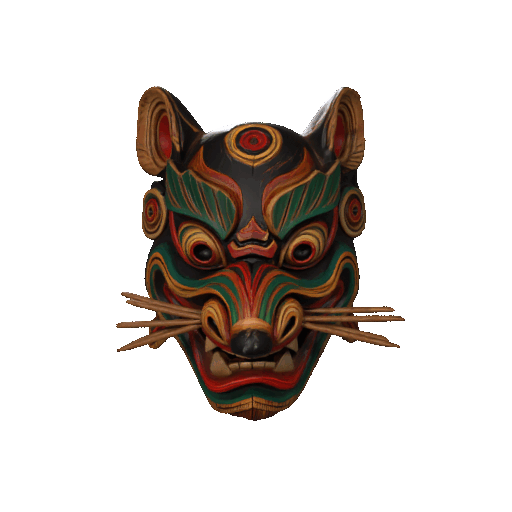
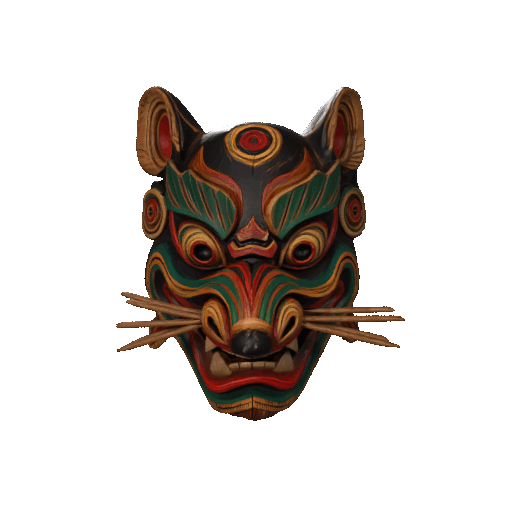
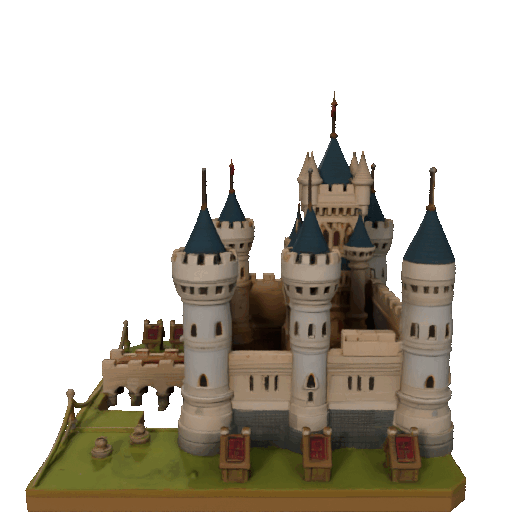
Tribal Totem 3D model preview

Tribal Totem

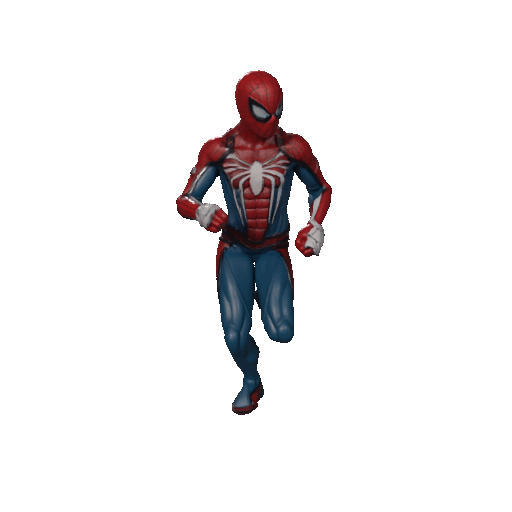
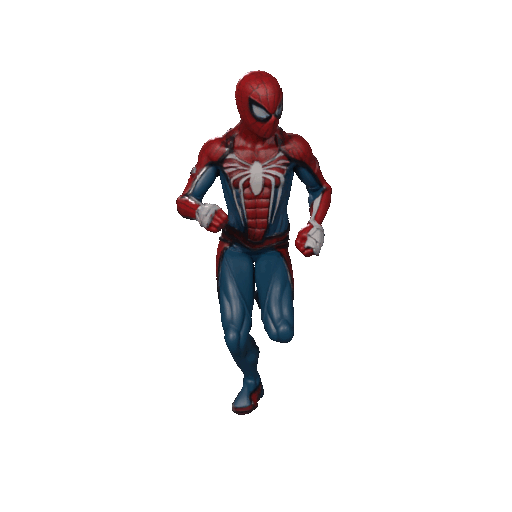
Spider Hero 3D model preview

Spider Hero

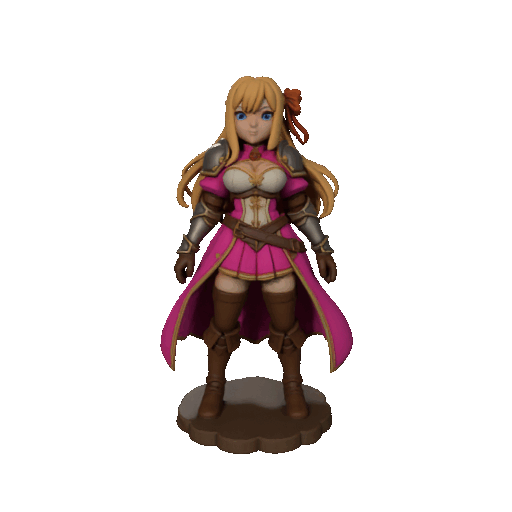
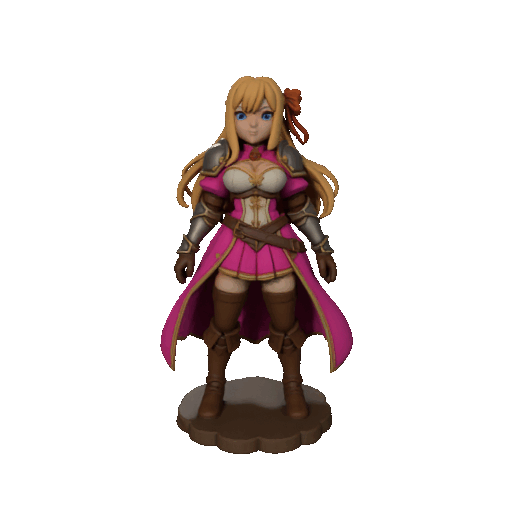
Anime Warrior 3D model preview

Anime Warrior

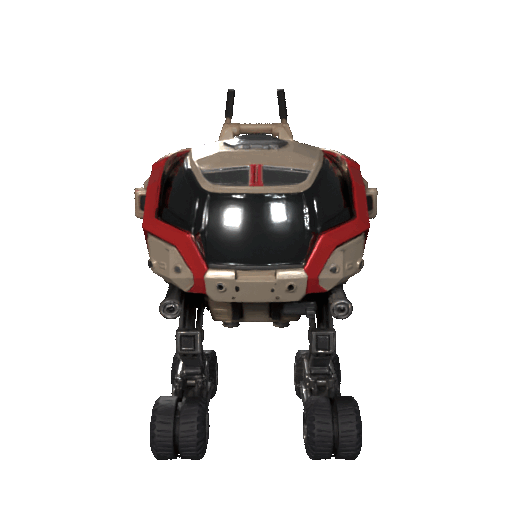
Mecha Explorer 3D model preview

Mecha Explorer

Future Racer 3D model preview

Future Racer

Portrait Bust 3D model preview

Portrait Bust

Forest Spirit 3D model preview

Forest Spirit

Isometric Room 3D model preview

Isometric Room

Hunyuan 3D 3.5 AI Generator FAQ

Answers about Hunyuan research, image to 3D inputs, the shared free no-login option, generated drafts, and downstream review.

Is this a dedicated Hunyuan 3D 3.5 endpoint?

No. This independent Trellis 3 page serves Hunyuan 3D 3.5 search intent. Its embedded module is the homepage generator, not a dedicated 3.5 API endpoint. Check current source or provider documentation when a project depends on an exact model version or feature contract.

Can I try an image to 3D workflow for free without login?

The shared generator includes a Free option labeled No login for browser-based image to 3D exploration. Availability, queue behavior, and returned results can vary. Paid model choices remain separate and continue to use their existing login and credit rules. This page does not change those rules or convert paid Hunyuan options into free modes.

What images work best for Hunyuan-style evaluation?

Use a sharp, well-lit picture of one complete object with a simple background and readable silhouette. Avoid cropped parts, heavy blur, or several overlapping subjects. Hunyuan image to 3D comparison is more meaningful when the source clearly communicates shape, material, and important features.

How should I judge a Hunyuan generated model?

Rotate the model and compare silhouette, proportion, hidden surfaces, symmetry, thin geometry, and texture placement with the original reference. A useful Hunyuan draft should communicate the intended object from several views. Also inspect scale, topology, normals, UVs, and file compatibility before deciding whether the asset can continue into editing.

Will Hunyuan 3D 3.5 research guarantee a production-ready mesh?

No version phrase can guarantee that every reference produces a production-ready asset. Hunyuan results depend on the input, selected workflow, provider implementation, and review standard. Treat the first mesh as evidence for a creative decision, then use human modeling, retopology, UV work, materials, and technical validation when the project requires a final production asset.

Where should I confirm Hunyuan version and license details?

Use current official source materials or the documentation of the provider you actually select. Version names, model access, API behavior, commercial terms, and hosted features can change. Trellis 3 keeps this page focused on the practical AI 3D workflow and does not replace the documentation that governs a particular Hunyuan model or service.

Start a Hunyuan AI Image to 3D Draft

Review the generated result before export.

Hunyuan 3D 3.5 AI Generator – Free, No Login | Trellis 3