










Hyper 3D AI: Image to 3D Generator

Explore a Hyper 3D AI workflow with Trellis 3. Upload one clear reference, create an Image to 3D draft, and review the result without logging in.

Turn a Reference into a Hyper 3D AI Draft

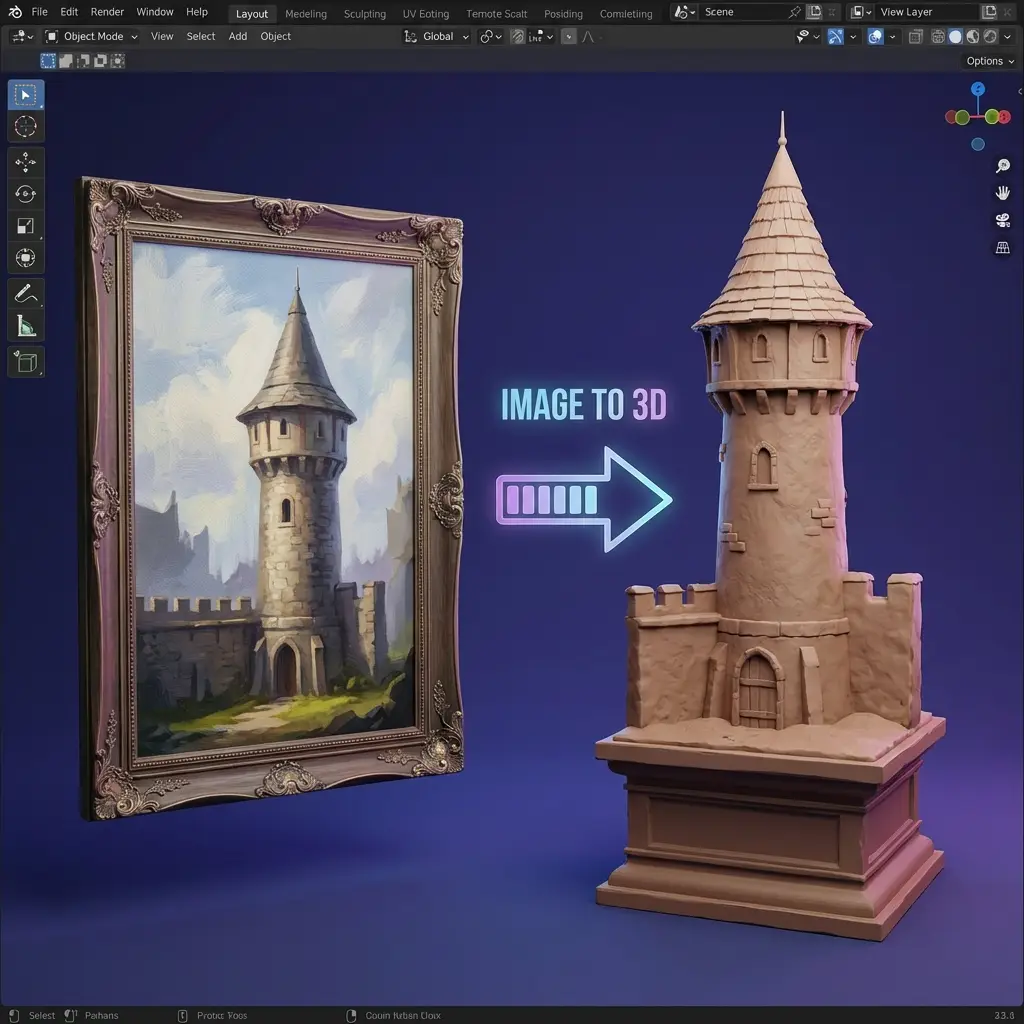
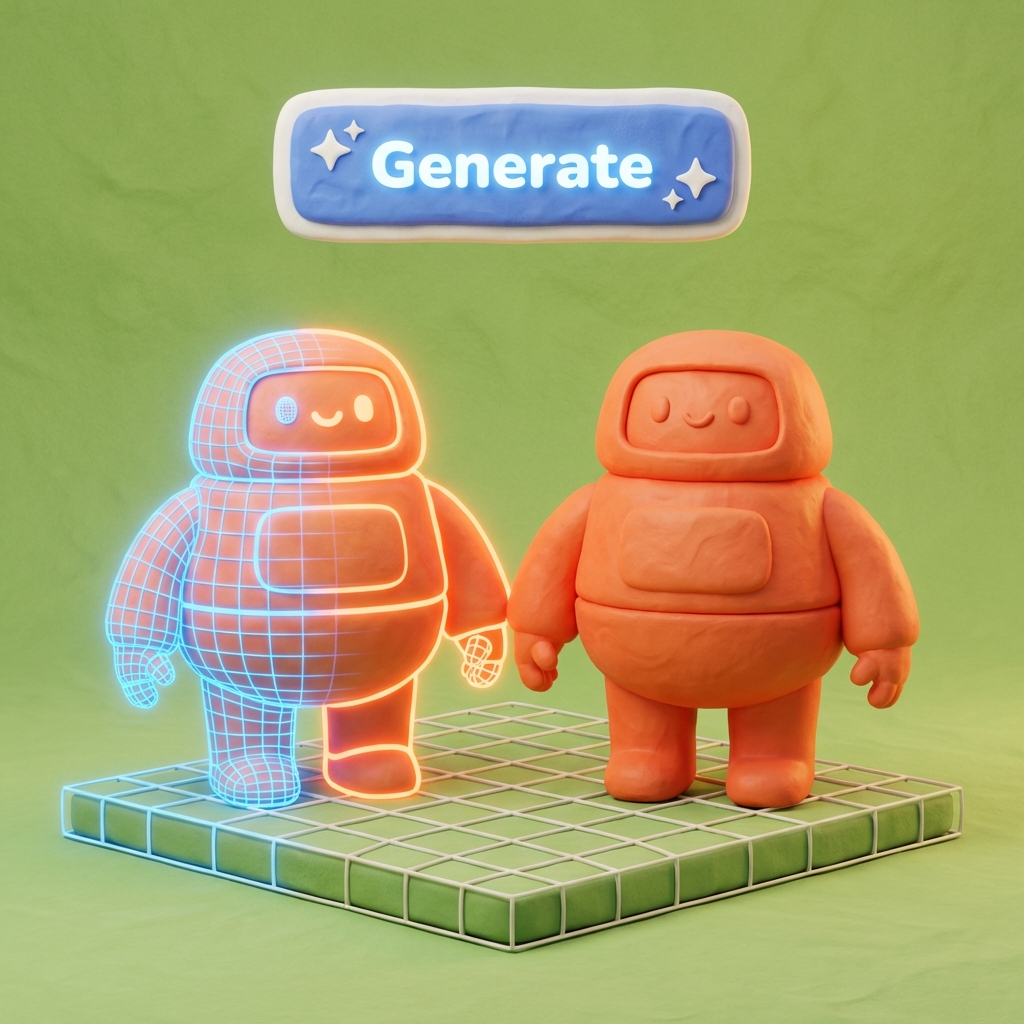
Hyper 3D AI searches usually begin with a simple goal: turn a flat reference into a model that can be inspected from more than one angle. Trellis 3 provides a direct Image to 3D starting point for that goal. Upload one subject, create a draft, rotate the result, and decide whether the shape is useful for further work.

Start Hyper Creation with One Clear Image

Start Hyper Creation with One Clear Image

A useful Hyper workflow begins with a reference that explains the object clearly. Choose a product photo, prop concept, toy design, character sketch, or isolated object with a readable silhouette.

Use Hyper 3D AI for a Reviewable First Draft

Use Hyper 3D AI for a Reviewable First Draft

Hyper 3D AI intent is often about reaching a reviewable object faster, not skipping every production step. A generated draft gives designers something concrete to rotate, compare, and discuss.

Compare Hyper3D AI Intent with Your Real Goal

Compare Hyper3D AI Intent with Your Real Goal

People may type Hyper3D AI when they want image-guided generation, a quick model preview, or an editable starting asset. A Hyper3D generator search can signal different goals, so define the decision before creating the draft.

Inspect the Hyper Mesh Before Download

Inspect the Hyper Mesh Before Download

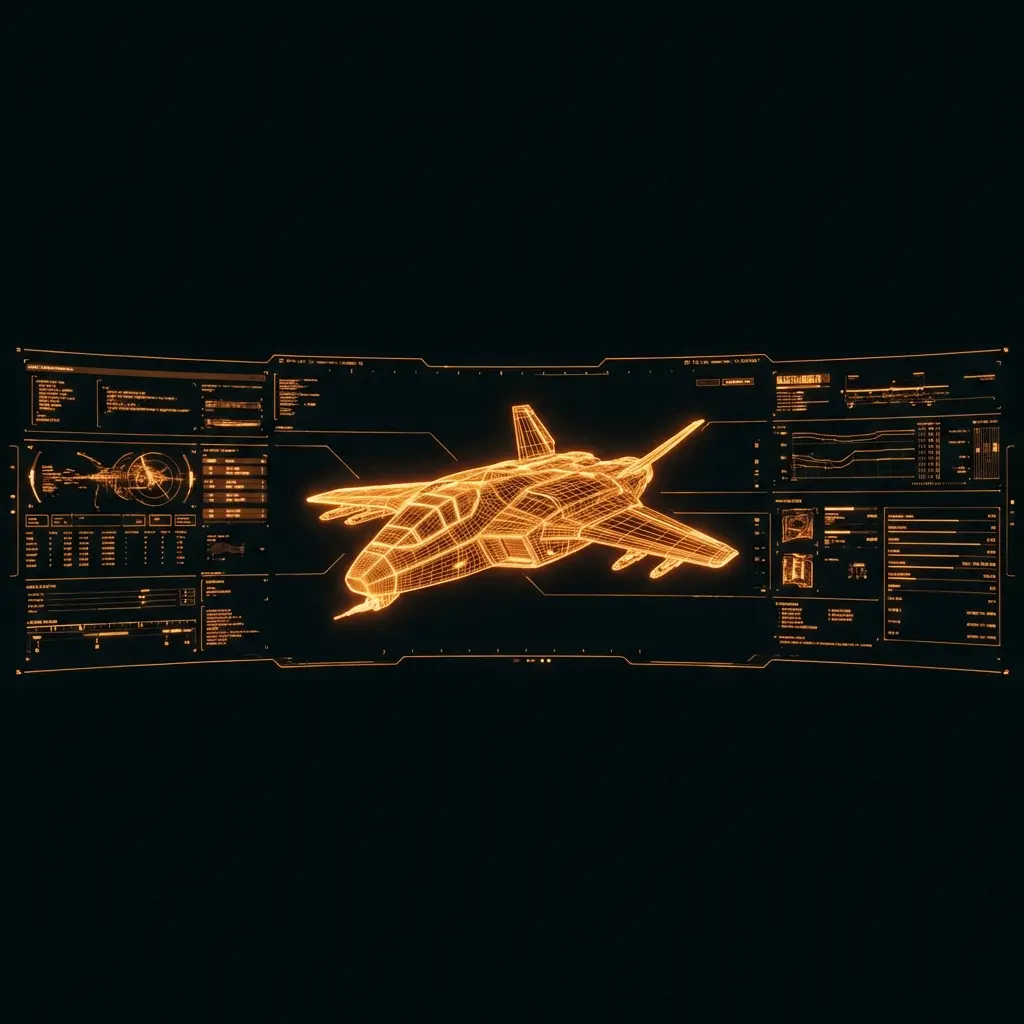
A convincing preview can still contain geometry that needs work. Rotate the Hyper model slowly and inspect the silhouette, openings, thin parts, symmetry, and underside.

Move the Hyper Draft into Your Existing Pipeline

Move the Hyper Draft into Your Existing Pipeline

Once the Hyper draft supports the idea, continue in the tools your project already uses. Blender can help with topology, scale, and materials.

Hyper Workflow Benefits

Hyper 3D Generator Benefits for Image-Based Creation

A focused Hyper 3D generator workflow connects a clean source image with fast drafting, visual review, and a clear next editing step.

Image guidance helps when a model must retain a known silhouette or proportion. A Hyper workflow can begin with a single photo that shows the object clearly against its background.

Hyper Image Guidance for Recognizable Shape
Hyper 3D AI Drafting without a Login Step
Hyper3D Generator Review before Production
How to Use

How to Use the Hyper 3D AI Image Workflow

The Hyper process stays understandable when each stage has one purpose: prepare the reference, generate a draft, and review the model before download.

1

Step 1: Settle on One Reference Before Naming It "Hyper"

Center the subject, keep its outer shape readable, and skip anything busy or blurred behind it. The clearer this single image is, the less the Hyper 3D AI label matters to what comes out the other end.

Step 1: Settle on One Reference Before Naming It "Hyper"
2

Step 2: Run One Attempt Before Judging the Workflow

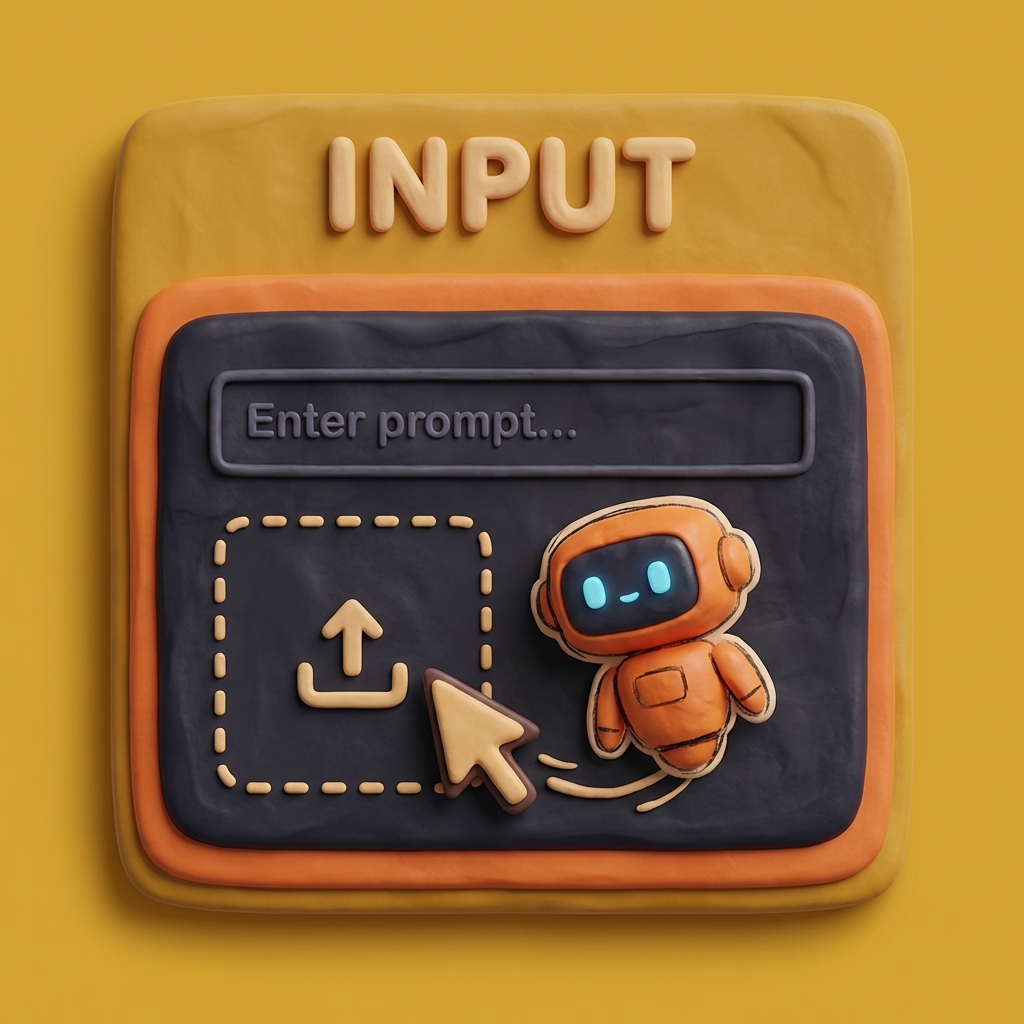
Upload that reference into Free and let it finish. Resist the urge to try three variations at once — one clean attempt tells you more about how the source is being read than several rushed ones.

Step 2: Run One Attempt Before Judging the Workflow
3

Step 3: Send It Downstream Only After Rotation

Hold off on downloading until you've turned the draft fully around. Once it clears that check, open it in your usual 3D application and confirm scale, orientation, and material behavior before treating it as final.

Step 3: Send It Downstream Only After Rotation

Where a Hyper 3D Generator Fits

Hyper workflows are useful when a team needs a visible model direction before investing in detailed manual construction.

Deciding Fast Whether a Prop Belongs in the Scene
Games

Deciding Fast Whether a Prop Belongs in the Scene

Hand a prop photo to the generator and get a mesh back before the sprint meeting starts. That's enough to argue about composition and whether the shape sits right next to other objects in the scene; retopology, UVs, textures, collision, and optimization all wait for a later pass.

  • ✓A mesh before the meeting
  • ✓Scale and silhouette read
  • ✓Later pass handles the rest
Explore More →
Rotating a Product Idea Instead of Staring at a Photo
Product

Rotating a Product Idea Instead of Staring at a Photo

One clean photo becomes something the team can turn on screen instead of debating over a flat image. That's enough to catch a packaging or proportion problem early, well before anyone commissions a polished asset.

  • ✓One photo, one draft
  • ✓Packaging problems caught early
  • ✓No commissioned asset yet
Explore More →
Making a Sketch Tangible for a Review Meeting
Design

Making a Sketch Tangible for a Review Meeting

Whether someone searched Hyper3D AI or Hyper 3D AI to get here, the goal is usually the same: turn a rough idea into something a room can react to without a lengthy manual build first.

  • ✓Sketch to talking point
  • ✓No manual build required
  • ✓Ready before the meeting
Explore More →
Deciding Whether an Idea Earns More Time
VFX

Deciding Whether an Idea Earns More Time

A quick model answers a narrower question than a finished asset ever needs to: does this object idea deserve deeper manual work? Use it for camera blocking or a lighting experiment, then let the answer decide what happens next.

  • ✓A cheap gut check
  • ✓Camera and lighting tests
  • ✓Answer decides next steps
Explore More →

How to Judge a Hyper Image to 3D Result

Judge each Hyper result by how well it supports the reference, the intended audience, and the next production step.

Ask If It Still Reads from a New Angle

Rotate the model to a view the source photo never showed. If it still reads as the same object, the Hyper draft passed the part of review that actually matters most.

Look Past the Front View

A polished front can hide stretched or merged geometry around the side and back. Check thin parts, openings, and material boundaries before trusting the whole model.

Write Down the Fix List, Not Just a Rating

Turn a first impression of the Hyper 3D AI result into a concrete list: topology, scale, UV, texture, or material work. A list hands off better than a vague verdict.

Change One Thing Per Regeneration

If a second attempt is needed, swap only the framing or only the reference — not both. Whichever change actually improves the model becomes obvious that way.

Judge Against the Actual Destination

A draft meant for a concept-review meeting has different bars than one headed for realtime rendering, animation, ecommerce, or 3D printing. Review against where the asset is actually going.

Keep the Source Photo Open Beside It

Comparing the Hyper output with its reference throughout review, rather than from memory, is the most reliable way to catch what shifted, disappeared, or got invented.

Hyper 3D AI FAQ

Answers about Hyper searches, Hyper3D wording, Image to 3D inputs, free generation, review, and downstream editing.

What is the Hyper 3D AI workflow on this page?

The workflow turns one reference image into a 3D draft that can be rotated and reviewed. Upload a clear object to the Trellis 3 Free module, generate the model, compare it with the source, and download it when the result provides a useful starting point.

Is Hyper3D AI the same search as Hyper 3D AI?

People use both Hyper3D AI and Hyper 3D AI wording when looking for fast image-guided 3D creation. A Hyper3D generator query on this page leads to Trellis 3’s existing Image to 3D workflow.

Can I use the Hyper 3D generator without login?

Yes. The default Free module on this page supports a basic Image to 3D attempt without login.

What image works best for a Hyper3D generator?

Use a sharp image with one complete object, a simple background, balanced lighting, and a readable silhouette. Avoid heavy occlusion, reflections that hide the shape, extreme perspective, and cropped edges.

What can I create with a Hyper 3D AI draft?

Hyper 3D AI and Hyper3D AI drafts can support prop exploration, product concepts, stylized objects, collectibles, classroom examples, prototype discussions, scene blocking, and early look development. Suitability depends on the reference and the final destination.

Why should I rotate the Hyper model before download?

A Hyper3D generator result must work beyond the single view shown by the input image, while a generated object must make sense from every angle. Rotation exposes hidden-side guesses, merged surfaces, unexpected holes, and proportion problems.

Can a Hyper3D AI result go into Blender?

A compatible downloaded model can be opened in Blender for inspection and further editing. Check orientation, scale, topology, normals, UVs, textures, and material setup after import.

Does a Hyper 3D generator create a finished production asset?

Treat the first Hyper 3D generator result as a draft. It may be sufficient for a quick concept review, but production work can require retopology, material correction, UV preparation, optimization, rigging, or accurate scale.

How can I improve a weak Hyper 3D AI result?

Start by checking the reference rather than changing many settings at once. Use a cleaner background, show the full subject, reduce blur, and select an angle that explains the object's structure.

Can I use Hyper3D generator drafts for games?

A Hyper3D generator draft can help with prop exploration, scene blocking, scale tests, and art-direction review. Before placing it in a shipped game, inspect topology, polygon count, UVs, textures, collision, pivots, and engine performance.

How does Hyper 3D AI help product teams?

A product team can use a Hyper 3D AI draft to discuss proportion, packaging, accessories, or presentation direction around a rotatable object. The result can make early feedback more concrete than a flat image alone.

What should I check after exporting a Hyper model?

Open the Hyper model in the destination application and verify scale, axis orientation, mesh integrity, normals, materials, textures, and file compatibility. Compare it with the source again under neutral lighting.

Start a Hyper Image to 3D Draft

Upload one clear reference, generate a model with the existing Free workflow, and review the Hyper draft from every side.

Hyper 3D AI: Image to 3D Generator | Free, No Login